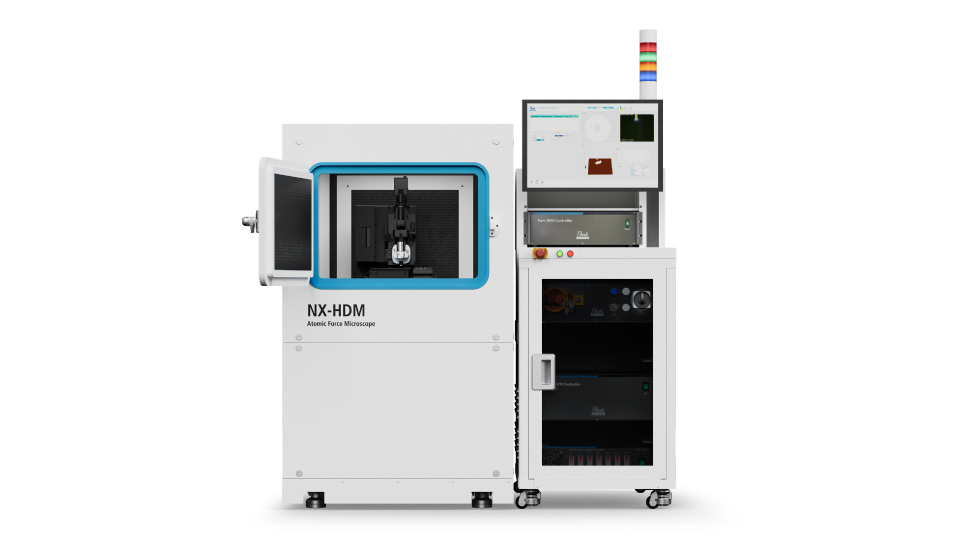
Park NX-HDM is a leading-edge atomic force microscope (AFM) purpose-built for HDD media R&D, defect analysis, and quality control laboratories. Built on Park Systems’ proven AFM technology, it delivers advanced measurement capabilities for media surface characterization, roughness analysis, and defect review, with highly automated workflows and high reliability. Widely adopted across the HDD storage and advanced materials industries, NX‑HDM has a proven track record of exceptional performance in high‑value surface metrology applications.
Key Features
Automated Operation
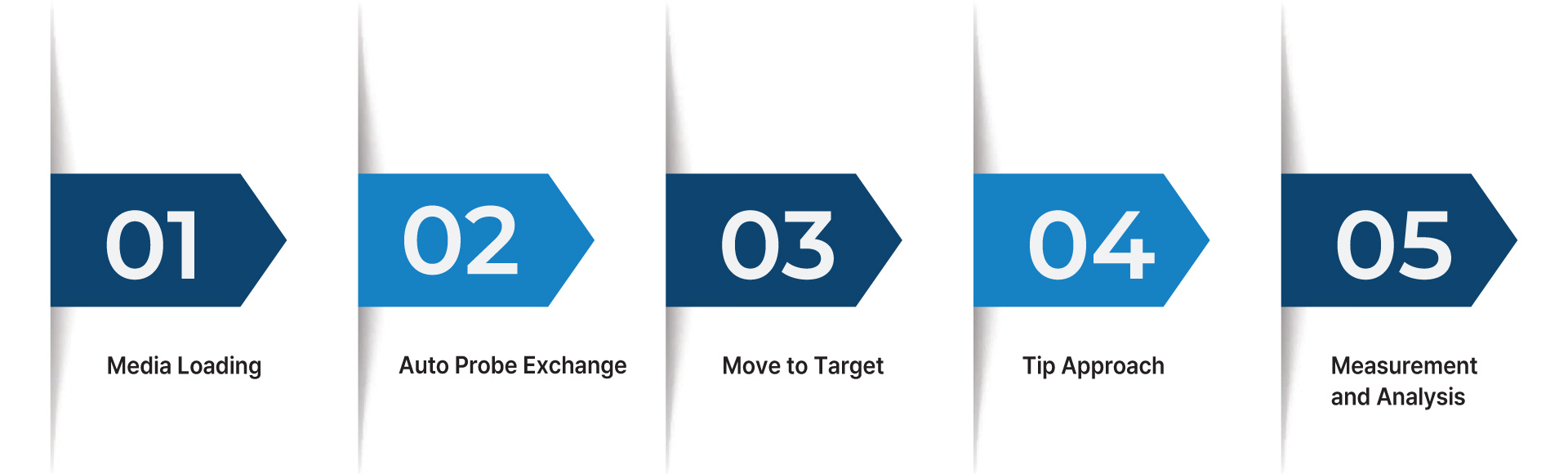
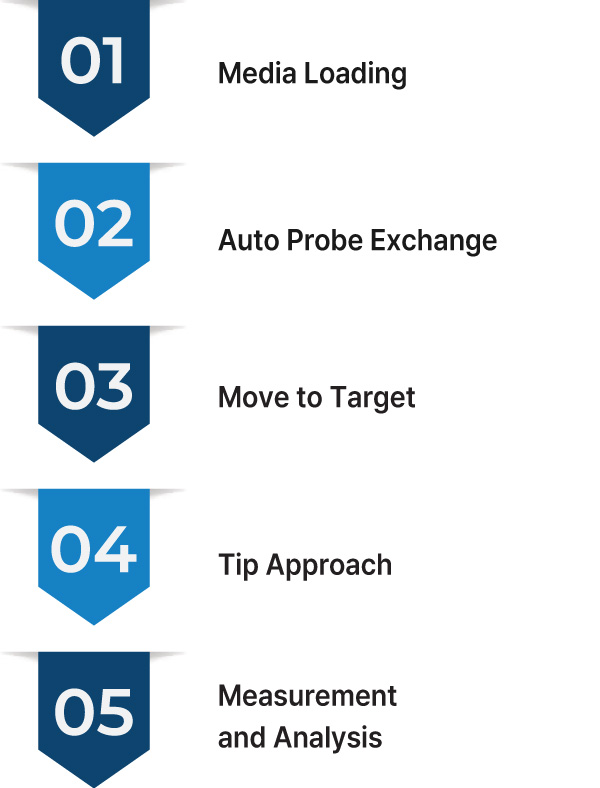
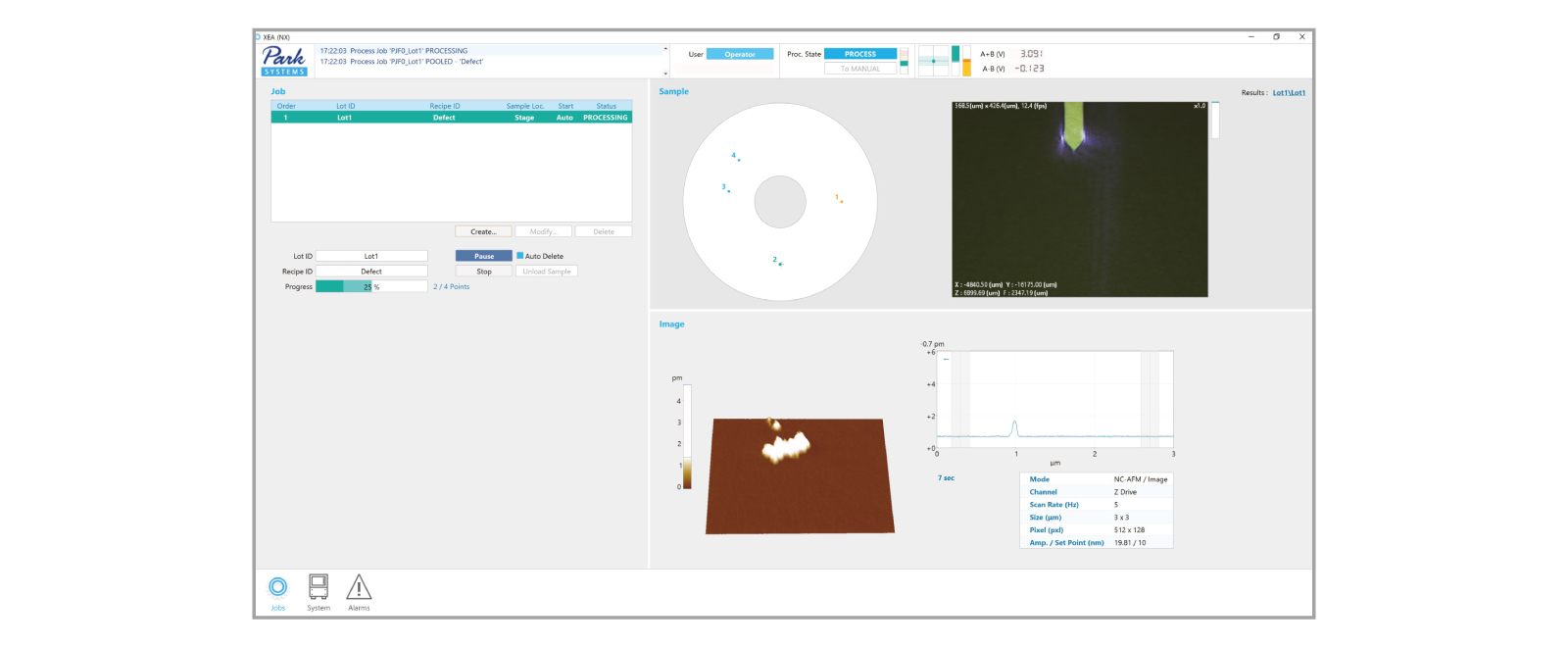
The NX-HDM enables a highly automated workflow from measurement to analysis. It seamlessly executes recipe-based operations, including automatic tip selection, multi-site surface scanning, nanoscale defect and roughness analysis, and automated report generation for high-value media inspection.
Sample Chuck for Media and Substrates
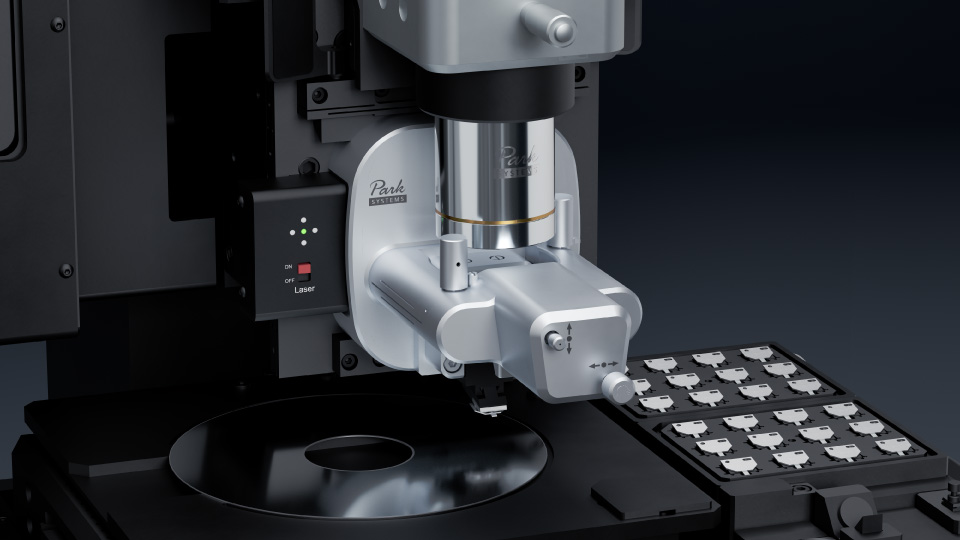
Designed for versatility, the NX-HDM sample chuck accommodates both substrates and media with reliable vacuum fixation. Its black-anodized surface finish minimizes light reflection, ensuring accurate and stable measurements on glass substrates. The center disk guides precise sample centering on the chuck.
Automatic Probe Exchange
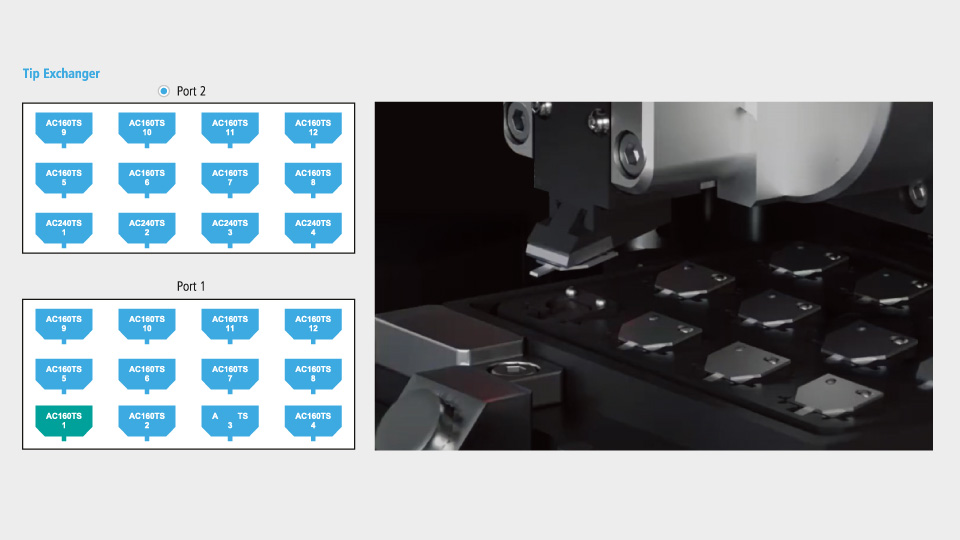
The automatic tip exchanger seamlessly replaces the probe when a threshold is exceeded. It can store up to 24 pre-mounted probes (12 probes per cassette).
Automatic Measurement Control for Accurate Scans with Minimal Effort
Park NX-HDM is equipped with automated software that makes operation nearly effortless. Simply select the desired measurement program to get precise multi-site analysis with optimized settings for cantilever tuning, scan rate, gain, and setpoint parameters. Park’s user-friendly software interface gives you the flexibility to create customized operation routines, allowing you to access the full power of the NX-HDM and get the measurements you need. Creating a new routine is straightforward — it takes about 10 minutes from scratch, or less than 5 minutes to modify an existing one.
Park AFM Technology
Orthogonal Scan System
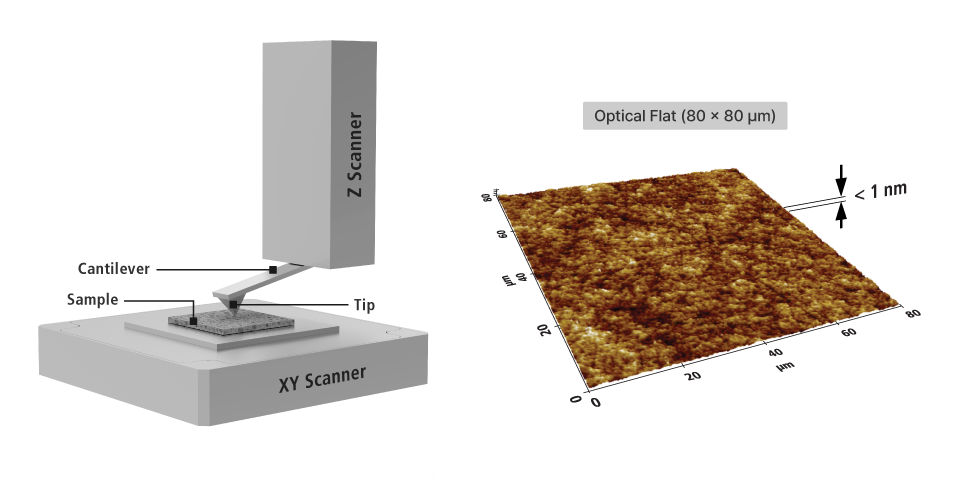
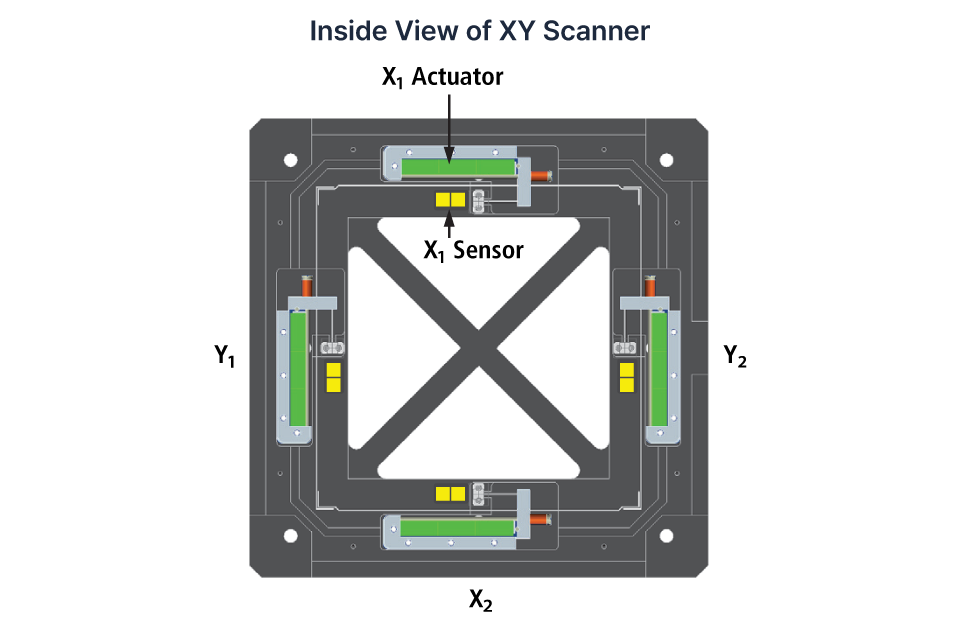
The separated flexure-guided 2D XY scanner and 1D Z scanner system minimizes out-of-plane motion by eliminating crosstalk between horizontal and vertical motion. The independent Z scanner enables precise, linear, and fast dynamic performance.
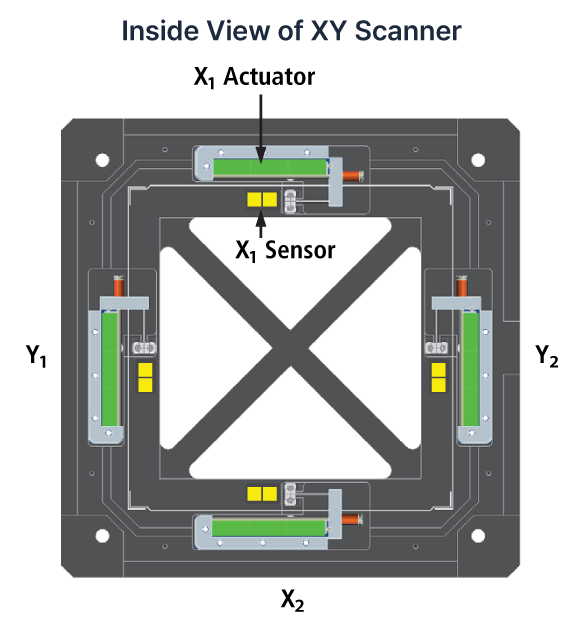
The XY scanner features a dual-servo architecture with two pairs of actuators and position sensors mounted on opposite sides of each axis, providing
precise orthogonality and accurate positioning across the entire scan area.
Park AFM Technology
True Non-Contact™ Mode
True Non-contact™ mode, a proprietary technology offered by Park Systems, obtains topography by detecting the attractive van der Waals force between the tip and sample surface. The key advantage of True Non-contact mode is the prevention of tip wear and sample damage, ensuring consistent results with superior data reliability. This also reduces the total cost of ownership by extending tip life.
Automated Defect Review (ADR) with Direct AOI Linkage
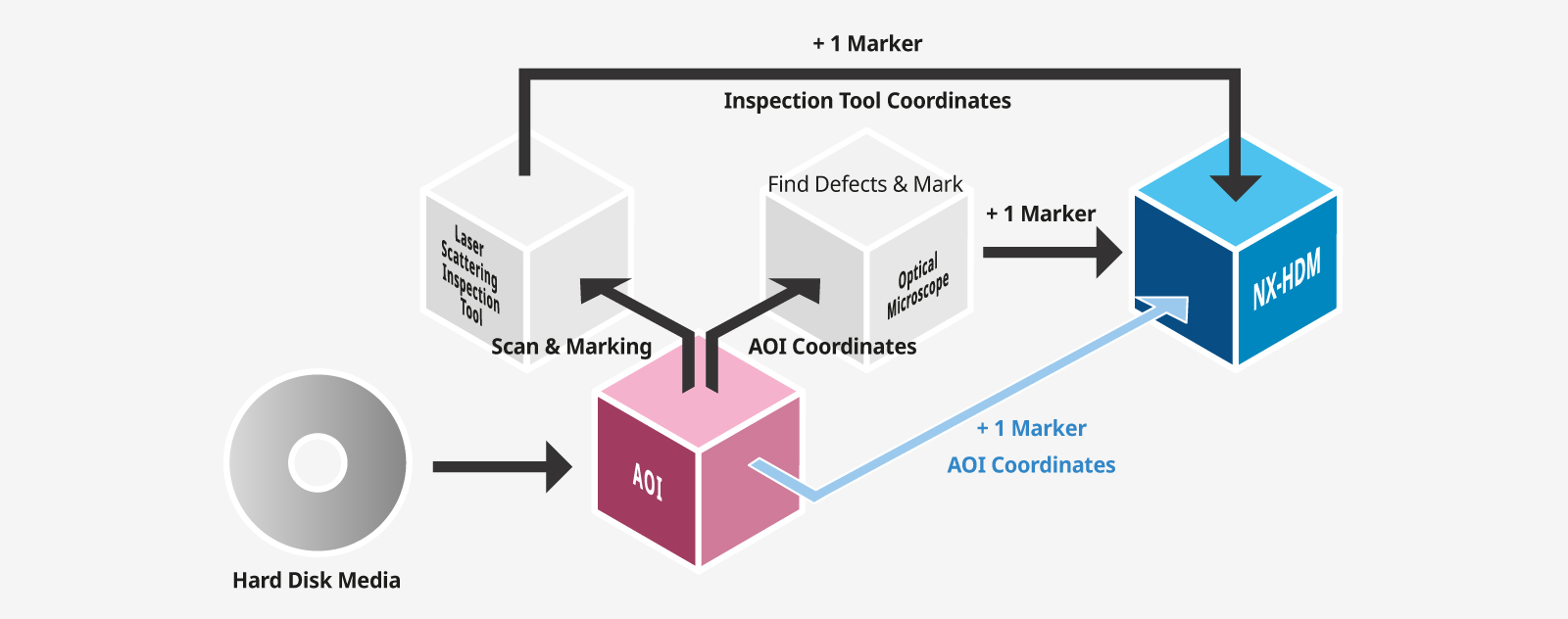
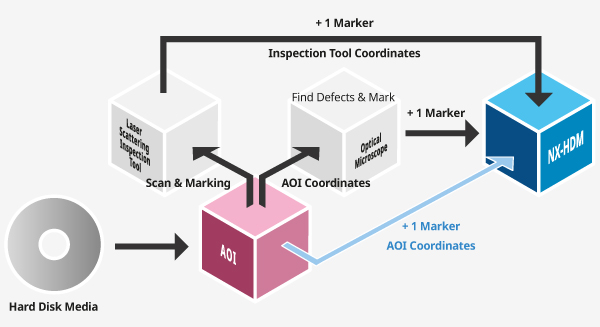
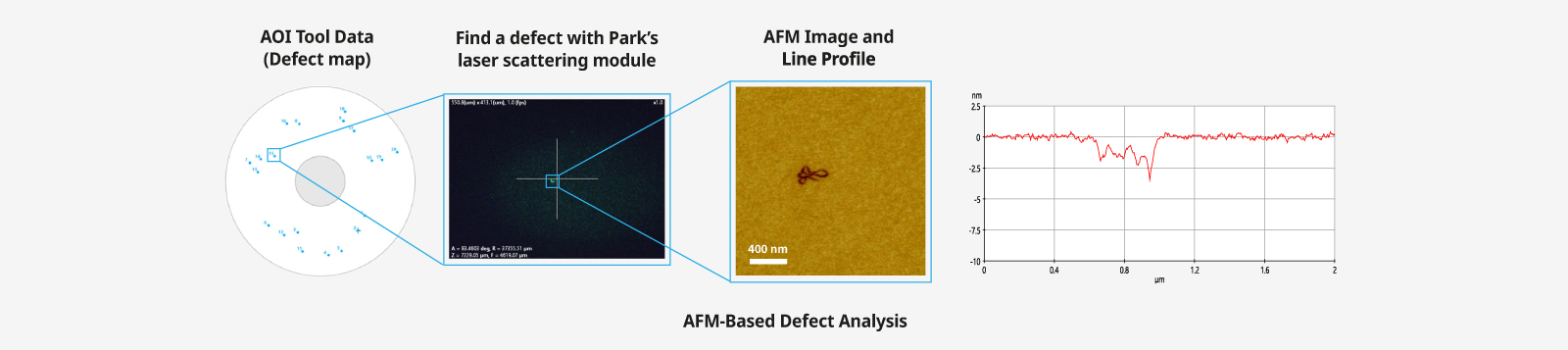
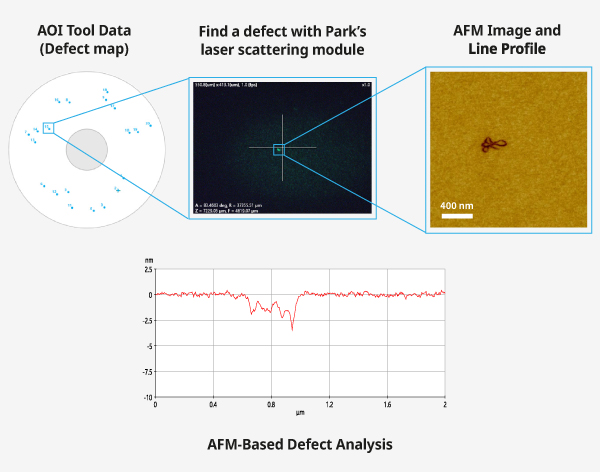
Automated Defect Review (ADR) performs precise AFM-based analysis of defects detected by conventional inspection tools. Once inspection tool data with defect coordinates is uploaded, ADR initiates automatically. Park’s optional laser scattering module detects defects as small as 50 nm across size, height, or depth within a 300 × 400 µm area, while high-resolution AFM zoom-in imaging provides detailed characterization of defect types and profiles. NX-HDM supports direct linkage with a wide range of optical inspection tools, enabling automatic defect map transfer and alignment. It also extends this capability to AOI systems that were previously incompatible with direct linkage.
Automatic PTR Measurement for HDD R&D and FA Labs
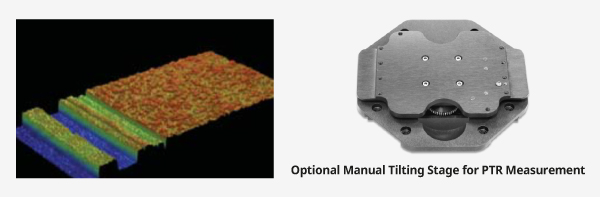
The NX-HDM’s integrated automatic pole tip recession (PTR) software, combined with a manual tilting stage, enables easy and accurate measurement of individual sliders with minimal user intervention. Once mounted on the tilting stage, samples are automatically measured at the carrier, row bar, or slider level.